
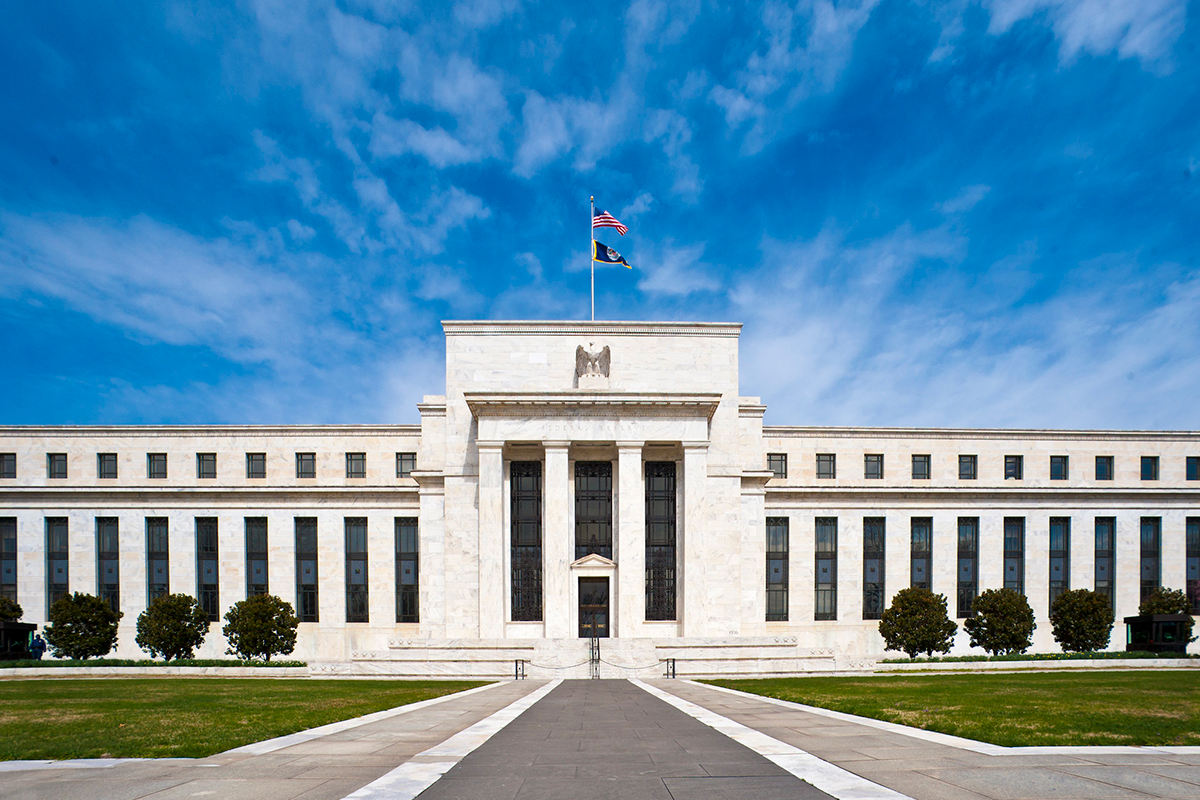
Federal Reserve officials continued their hawkish messaging Monday, signaling that last week’s rate hike may not be the end of the tightening cycle as policymakers become increasingly concerned that inflation is being driven by both supply shocks and strong demand.
Why it matters: St. Louis Fed President Alberto Musalem told Reuters that “both persistent demand and recurring supply forces” are keeping inflation risks elevated. Musalem said it is “crucial that policy puts a meaningful restraint on inflation” to return inflation to the Fed’s 2% target over roughly the next year and a half.
- He also argued that acting earlier and incrementally could be less disruptive than waiting and being forced to tighten more aggressively later.
Not Alone: Chicago Fed President Austan Goolsbee sounded a similar warning Monday in London. For decades, the Fed’s traditional response to oil and other supply shocks has been to largely wait them out, assuming the price increases would fade before higher interest rates could have much effect.
- Goolsbee argued that strategy is becoming harder to justify because recent shocks—from tariffs to oil and commodity prices—have lasted longer than anticipated.
- Goolsbee is also increasingly concerned that inflation isn’t just a supply problem anymore. Strong services inflation and booming AI investment could be signs of overheating demand. “If demand overheats, there is no ambiguity about how the Fed needs to respond,” he said. A demand-driven inflation problem, he added, could require rate hikes that are more aggressive and front-loaded.
Markets Happy: Interestingly, markets appear comfortable with the Fed’s hawkish message—at least for now. The 10-year Treasury yield fell back below 5% Monday even as investors increased expectations for additional Fed tightening. However, the drop in yields also coincided with Brent crude falling to an 11-day low, so the bond rally can’t be attributed solely to Fed comments.
The bottom line: Markets may be interpreting the Fed’s tough inflation talk as evidence policymakers are serious about preventing inflation from becoming entrenched. For mortgage rates, that creates competing forces: additional Fed hikes are restrictive, but if investors become more confident the Fed will ultimately bring inflation under control, longer-term Treasury yields—and mortgage rates—could still move lower.