
President Donald Trump threatened the European Union with new tariffs Wednesday, or potentially restrictions on trade altogether, if the bloc moves forward with plans to make Canada its first-ever “associate member.”
Why it matters: The threat adds another potential front to an already escalating trade dispute between the U.S. and Canada, while Ottawa is simultaneously pursuing closer economic and strategic ties with Europe.
- European Commission President Ursula von der Leyen formally opened the door Wednesday to a new associate-member relationship with Canada.
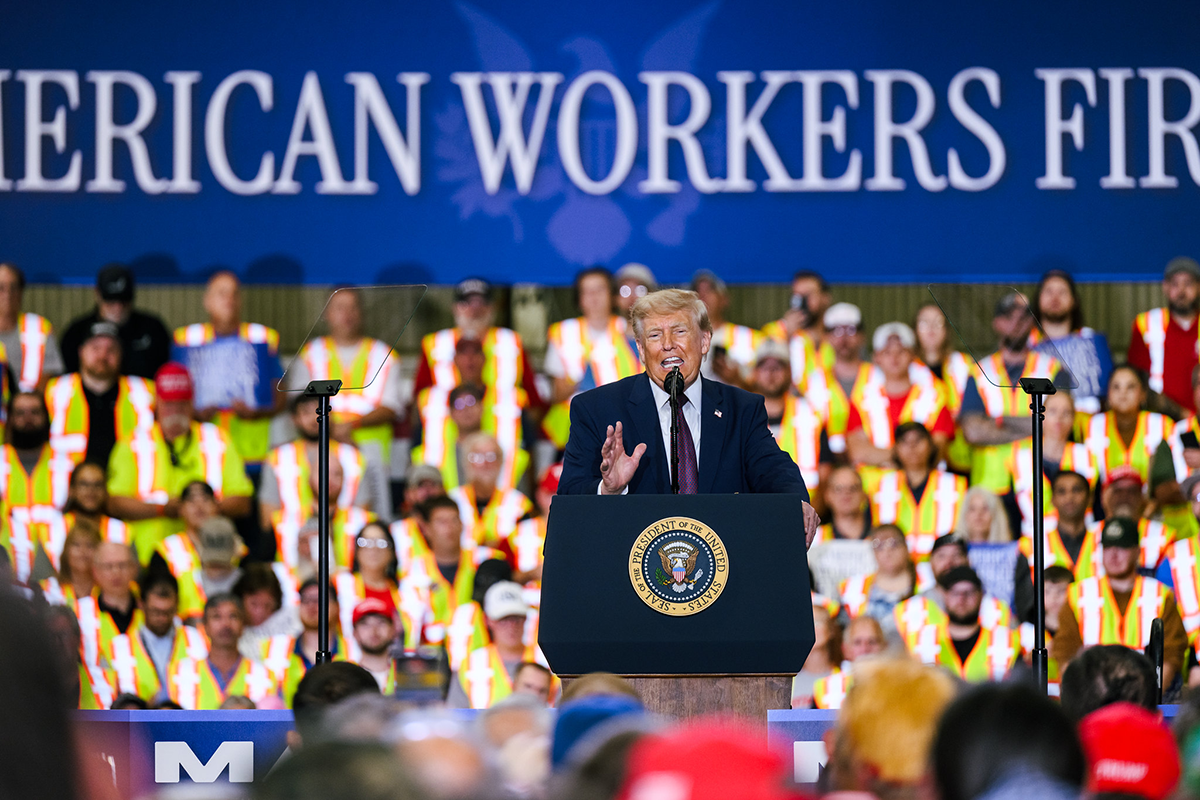
- “I think it’s laughable … Canada has been a terrible trade partner,” Trump told reporters after arriving in North Carolina. Trump said his response would depend on whether he views the Canada-EU arrangement as directed against the United States, adding that if he considers it “at all a hostile act,” he would impose “very serious tariffs” or halt some trade with Europe.
EU View: Von der Leyen presented the proposal differently, saying the partnership is “not against anyone else, but for our common strength.” The EU envisions deeper cooperation with Canada on trade, technology, defense, energy, critical minerals, artificial intelligence and the Arctic, although exactly what “associate membership” would entail has yet to be defined.
- The proposal comes as Prime Minister Mark Carney attempts to diversify Canada’s economic relationships amid worsening trade tensions with Washington. Carney has said Canada is pursuing a “unique alliance” with Europe rather than full EU membership, with his government seeking to double non-U.S. trade over the next decade.
The bottom line: Canada’s push toward Europe is now becoming part of its broader trade dispute with Washington. What began as an effort to deepen Canada-EU ties could carry wider consequences if the Trump administration follows through with tariffs or other restrictions on European trade.