
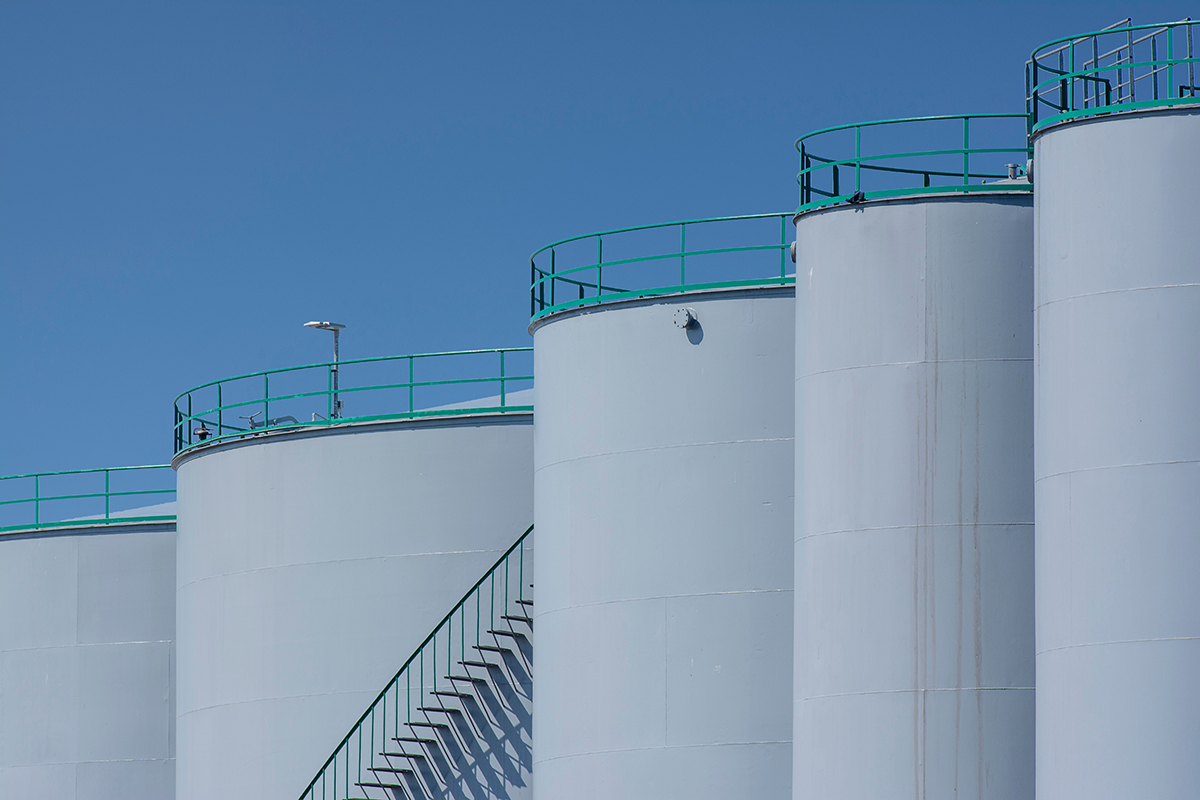
America’s emergency oil stockpile has fallen below 300 million barrels for the first time in more than four decades, leaving the U.S. with a significantly smaller cushion as war and disruptions in the Strait of Hormuz keep energy markets on edge.
Why it matters: The Strategic Petroleum Reserve is designed to protect the U.S. against major disruptions to global oil supplies. With inventories at their lowest level since 1983, Washington has considerably less ammunition to combat another surge in energy prices.
- The SPR fell to 298.7 million barrels last week, dropping below 300 million for the first time since 1983.
- The reserve spent decades moving in the opposite direction. After steadily expanding following its creation in the 1970s, inventories peaked at roughly 726 million barrels in June 2011.
The Decline: The SPR remained above 600 million barrels until December 2021, before plunging to roughly 347 million by June 2023, a decline of about 253 million barrels, or 42%, in just 18 months.
- The U.S. then began rebuilding its reserves, eventually reaching roughly 414 million barrels in March. But the war and resulting energy-market disruptions reversed that progress, with inventories plunging about 28% in just six months to 298.7 million barrels.
The big picture: The recent conflict has clearly depleted the SPR, but today’s historically low inventory isn’t solely the result of the war. The much larger drawdown between late 2021 and mid-2023 left the country starting this crisis with far fewer barrels in reserve.
The bottom line: America’s emergency oil cushion is now the smallest it’s been since the early Reagan administration. With the Strait of Hormuz still a major source of uncertainty, the U.S. has substantially less room to use the SPR to contain another oil-price shock.